
info@rural-focus.co.uk | +44 (0) 1884 308 068 | +44(0) 7736 395 768 | Terms & Conditions

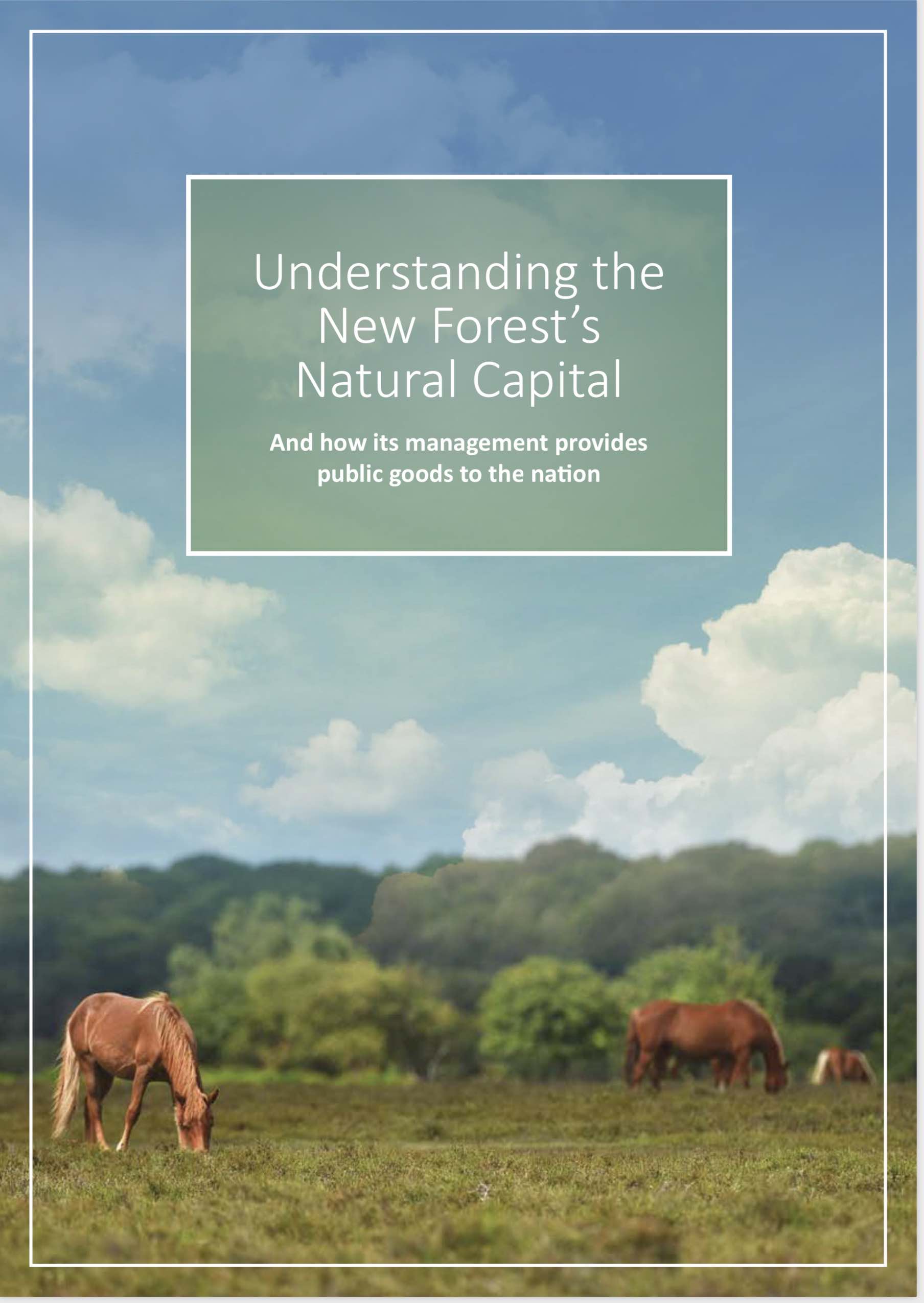
Improving understanding of the New Forest’s Natural Capital

Rural Focus has completed an innovative study which assesses the New Forest’s valuable natural capital assets and how these can be managed to benefit society.

It’s in response to the Government’s pledge to replace the current EU system of financial support for agriculture with one based on ‘public money for public goods’ – where payments will be given based on what farmers and land managers are doing to help society rather than the amount of land they own.

The report assesses how this concept can be applied to the New Forest and its uniquely special landscape. Not only is the New Forest home to a diverse range of species (many of which are rare), but it’s managed using traditional practices at a scale that has long disappeared from the rest of western Europe.

In particular, commoning is central to maintaining the landscape – the animals’ grazing helps create the mosaic of habitats found here. However, commoning is voluntary, and the traditional management of the Forest relies on direct support and specially-developed agri-environment agreements to survive. The largest of these schemes – the Verderers of the New Forest Higher Level Stewardship Scheme (HLS) worth £19m over 10 years – is about to come to an end.

The new report: ‘Understanding the New Forest’s Natural Capital’ gives an invaluable evidence base and proposes a structure to help create a replacement for the current system that will be specially suited to the New Forest area.

The report was commissioned by the Forest Farming Group, which was formed of statutory and voluntary groups shortly after the Referendum in 2016 to put the case for a bespoke and locally-led scheme of payments for public benefits to reward the New Forest’s farmers for the environmental services that they provide, either through practising their common rights or managing their land within and around the National Park.

Read the report here: https://www.newforestnpa.gov.uk/app/uploads/2019/10/00995-NF-Natural-Capital-Report-web.pdf
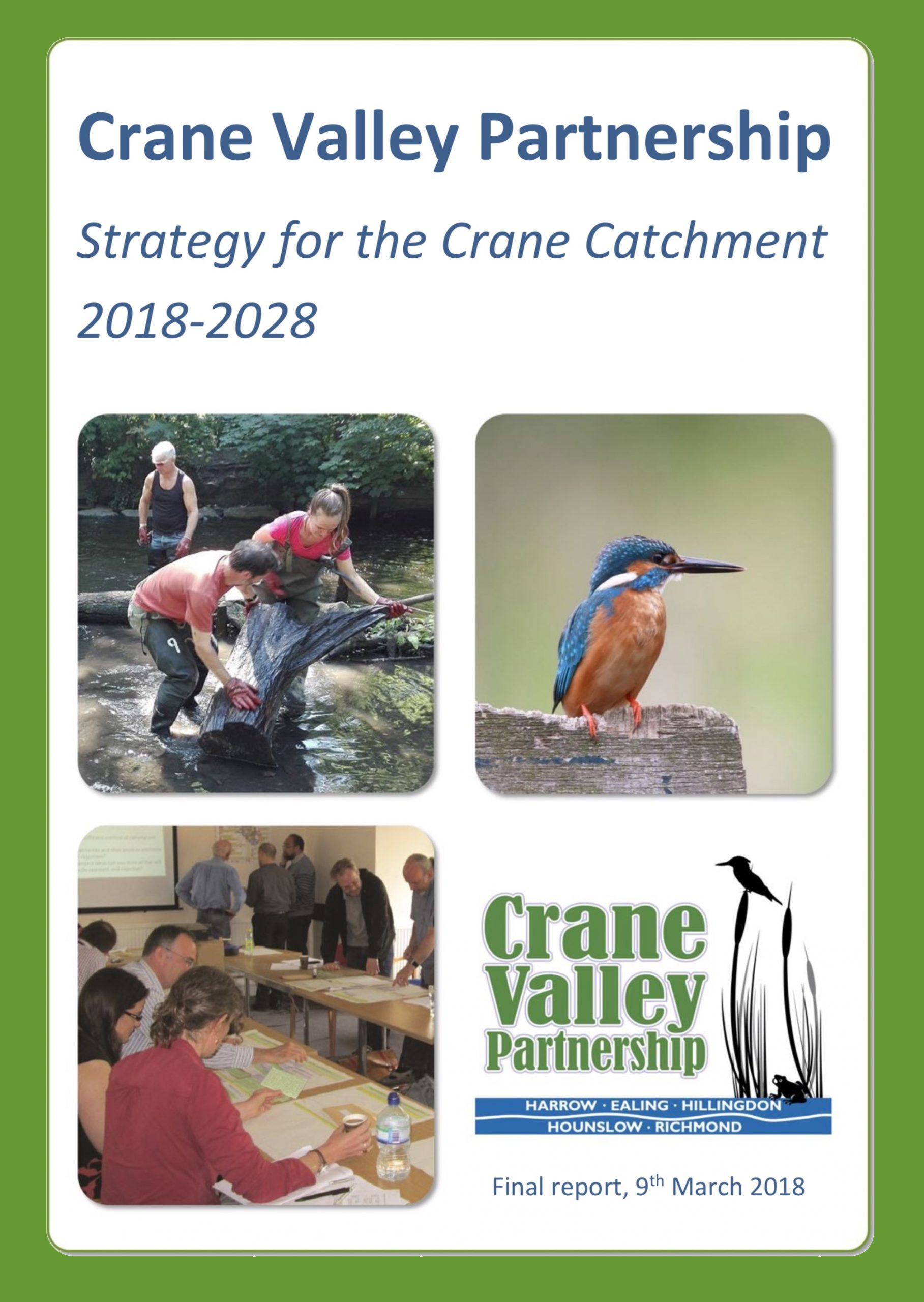
Plotting a future for one of London’s most natural river catchments

The River Crane and its adjacent rivers drain a catchment of 127 km2 in the north west quadrant of London, from Twickenham and Ashford in the south to Harrow and Pinner in the north, home to over 650,000 people.

Rural Focus was engaged by the Crane Valley Partnership, a group of over 20 organisatons representing the local authorities, community bodies and businesses, to prepare the Strategy that will guide their work over the next 10 years, with a vision for the next 20 years.

The Strategy, which was adopted in April 2018, uses the natural capital approach to identify and prioritise the ways the catchment provides goods and services to local people and the nation. The Strategy outlines the many challenges and opportunities that will face the area, including London’s growing population, major infrastructure projects and changing climate. It provides a set of actions for the Partnership to take forward under three themes: Thinking Spatially, Involving Communities and Big Opportunities. The main report is accompanied by a separate technical annex of supporting information.

Welcoming the “Rural Focus delivered a very impressive 10 year Strategy for the Crane Valley Partnership. Louise and Robert were a pleasure to work with and went above and beyond to produce a document we will be referring to for years to come – starting off as a spring board to update our 2013 Catchment Plan.”

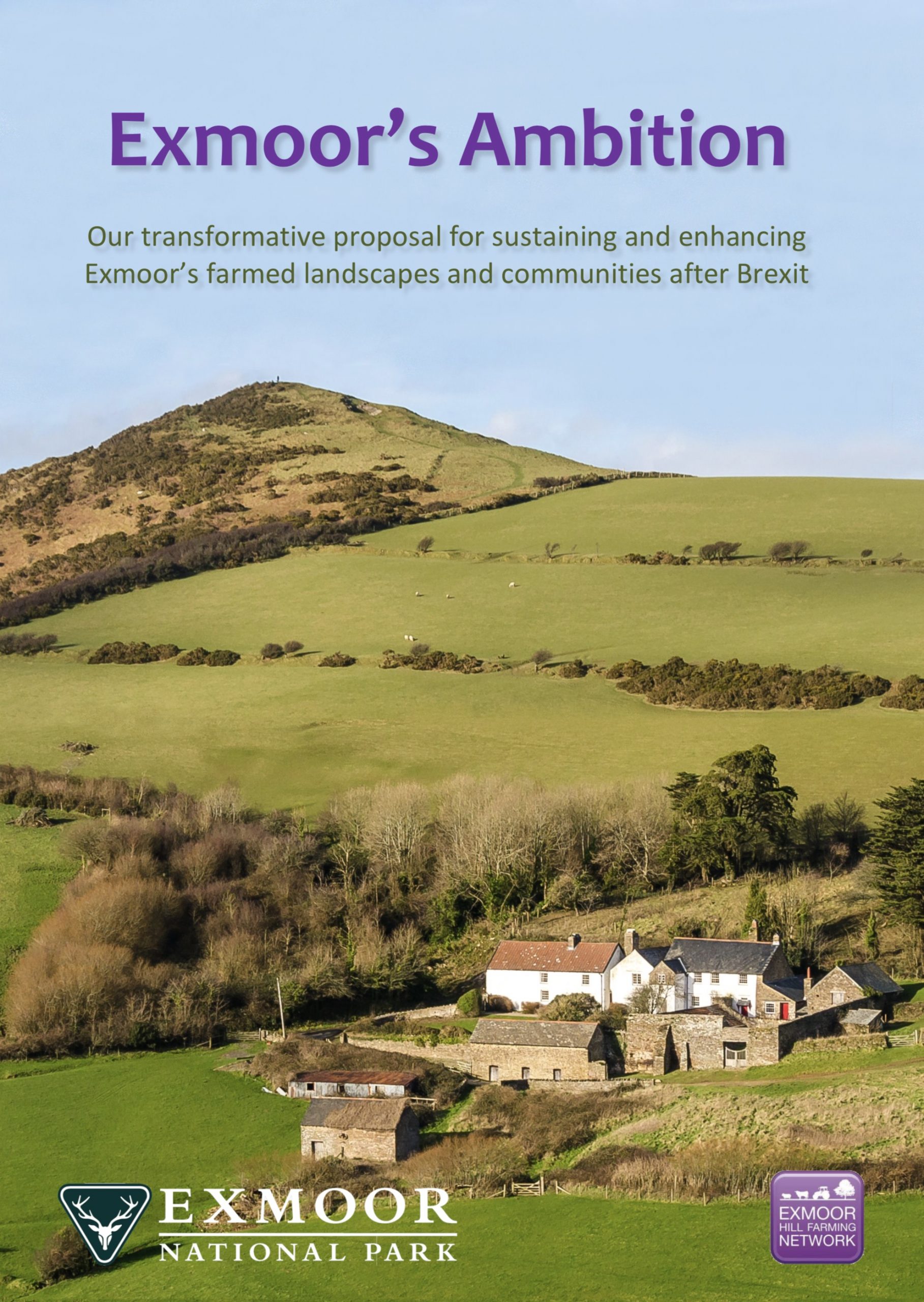
Exmoor’s Ambition – Leading the way on farm and environment support post-Brexit

Ambitious proposals to pilot a new approach to incentivising the delivery of public goods from the countryside, and also supporting farming livelihoods and communities, have been launched today (20th Feb 2018).

‘Exmoor’s Ambition’ is the UK’s first costed plan for locally-delivered farm and environmental measures to be submitted to Defra. The report, which has been prepared by Rural Focus, comes at the end of six months of discussion led by the Exmoor National Park Authority and the Exmoor Hill Farming Network.

The proposals, which are based around two complementary sets of incentives (‘Good Farming Measures’, and ‘Enhanced Benefits Measures’), aim to be transformative (leaving Exmoor’s landscapes in better heart for the next generation) and progressive. They are co-designed by farmers, working with conservationist and public bodies, to be simpler and less bureacratic to deliver, while doing more to protect and enhance Exmoor’s natural capital, compared to previous schemes.

Rural Focus has been retained to help the project’s partners prepare a Pilot Phase, which it is hoped Defra with agree to co-fund.

Rural Focus